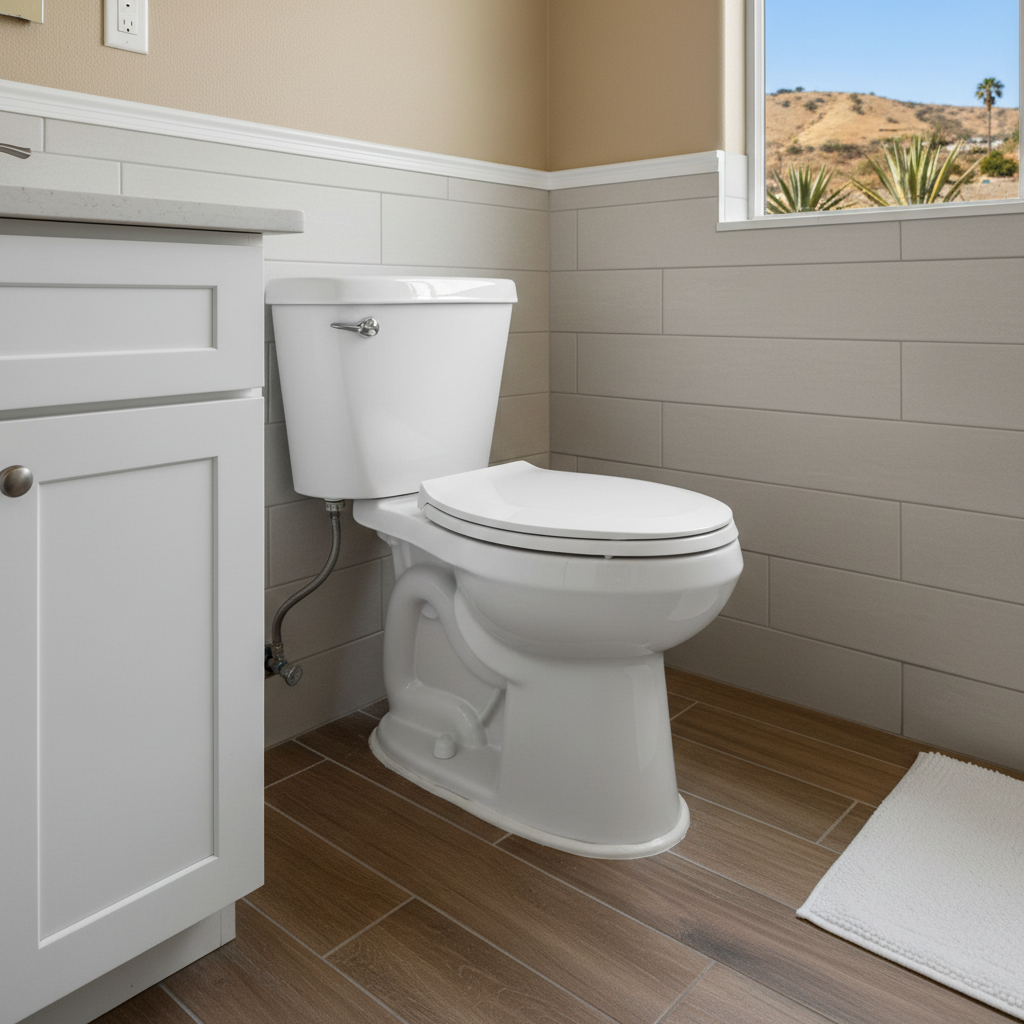
So, you need a new toilet. Maybe your old one's leaking, it's just plain ugly, or you're finally upgrading to something more efficient. Whatever the reason, a toilet installation seems pretty straightforward, right? You'd be surprised how many homeowners in Fountain Valley mess this up, either by trying to DIY something they shouldn't or by hiring the wrong person. I've seen it all, and trust me, a bad toilet install can cause a lot more headaches than just a leaky flange.
Mistake #1: Underestimating the Job (and Your Own Skills)
Look, I'm all for saving a buck. And sure, there are plenty of YouTube videos showing you how to swap out a toilet. But here's the thing: those videos rarely show you the weird stuff that pops up. What if your old flange is corroded? What if the subfloor around the drain is rotted from a slow leak you never noticed? What if the water supply line is seized up and snaps when you try to loosen it? These aren't minor hiccups; they're major problems that can turn a two-hour job into a multi-day nightmare involving a plumber, a carpenter, and a whole lot of unexpected expense.
I've walked into homes in the Green Valley neighborhood where a homeowner thought they could handle it, only to find the toilet rocking back and forth because the flange wasn't properly secured, or worse, a slow drip that's been soaking the floor joists for weeks. Unless you're genuinely experienced with basic plumbing, carpentry, and problem-solving under pressure, it's usually best to call in a pro. You might save a few hundred bucks upfront trying to DIY, but it could cost you thousands in repairs down the line.
Mistake #2: Choosing the Wrong Toilet for Your Space
This one's more common than you'd think. People get excited about a fancy new toilet they saw online or at a big box store, only to realize it doesn't quite fit their bathroom. The main thing to measure is the 'rough-in' distance. That's the measurement from the wall behind the toilet to the center of the drainpipe (or the bolts holding the toilet down). Most toilets are 12 inches, but older homes, especially some of the original tract homes built in the 60s and 70s around the Mile Square Park area, might have 10-inch or even 14-inch rough-ins. If you buy a 12-inch toilet for a 10-inch rough-in, it won't sit flush against the wall, and it'll look terrible. If it's a 14-inch rough-in, you'll have a big gap behind it.
Also, consider the toilet's height and bowl shape. A comfort-height toilet is great for adults but might be too tall for small kids. An elongated bowl is more comfortable but takes up more space than a round bowl. Think about who's using the bathroom and how much room you actually have before you buy.
Mistake #3: Not Vetting Your Installer Properly
This is probably the biggest mistake I see, and it applies to any home improvement project, not just toilets. You wouldn't let just anyone work on your car, so why your home? A quick search on a classifieds site for a 'handyman' might seem like a good deal, but you're taking a huge risk.
- No License or Insurance: This is a massive red flag. If they're not licensed, they might not know what they're doing. If they're not insured, and they accidentally flood your bathroom or injure themselves on your property, you could be on the hook for damages or medical bills. Always ask for proof of both.
- No References or Portfolio: A reputable contractor will have references you can call or photos of their past work. If they can't provide either, move on.
- Cash-Only Deals: While some small jobs might involve cash, be wary if it's their only payment option. It can be a sign they're trying to avoid taxes or aren't running a legitimate business. Plus, you'll have no paper trail if something goes wrong.
- Vague Pricing: Get a detailed quote in writing. It should outline the cost of labor, materials, and any potential extra charges. If they just give you a ballpark figure over the phone, that's a problem.
At Fountain Valley Custom Bathrooms, we always provide clear, written estimates and stand by our work. It's about peace of mind for both of us.
Mistake #4: Ignoring the Wax Ring (or Using the Wrong One)
The wax ring is a small, inexpensive component, but it's absolutely critical. This is what creates a watertight seal between the toilet and the drainpipe. A poorly installed or damaged wax ring is a guaranteed leak. I've seen people try to reuse old wax rings (never do this!), use a wax ring that's too thin for the flange height, or even forget to install one altogether. The result? Nasty leaks, subfloor damage, and a terrible smell.
Modern wax rings often come with a plastic horn, which helps guide waste down the drain and provides a more robust seal. Make sure your installer knows how to properly seat the toilet and compress that wax ring evenly. It's not just about tightening the bolts until they're super snug; it's about getting that perfect seal.
Mistake #5: Not Testing Thoroughly Before Finishing Up
After the toilet's installed, you need to test it. This means flushing it multiple times, checking around the base for any signs of leaks, and making sure the tank fills properly and the fill valve shuts off completely. I've seen installers pack up and leave without doing a proper test, only for the homeowner to discover a slow leak hours later. Sometimes, a small drip won't show up immediately, but after a few flushes, it might. Don't be afraid to ask your installer to stick around for a few minutes while you run some tests. It's your home, and you're paying for a job done right.
Getting a new toilet installed doesn't have to be a headache. Just be smart about who you hire, what you buy, and don't cut corners. A little bit of planning and due diligence goes a long way in avoiding frustration and costly repairs down the road.