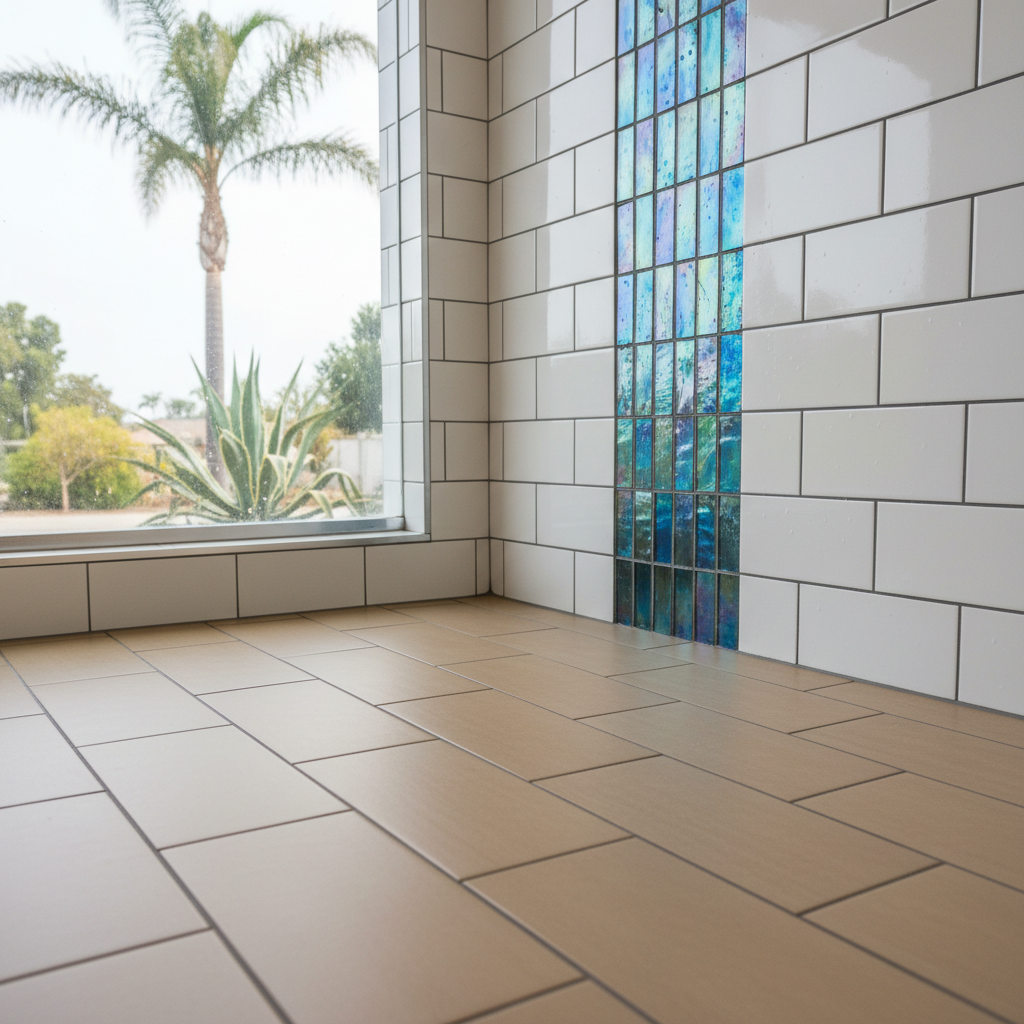
Thinking About New Floors? Here's the Deal.
So, you're looking at your floors and thinking, "It's time for a change." Maybe those old carpets in your El Camino Real home have seen better days, or that linoleum in the kitchen is just screaming 1980s. I get it. New flooring can totally transform a space, and it's a project a lot of homeowners consider doing themselves to save a buck. But let me tell you, there's a big difference between watching a YouTube video and actually getting a professional, long-lasting result. As someone who's been doing this for years with Fountain Valley Custom Bathrooms, I've seen it all – the good, the bad, and the really, really ugly DIY attempts.
This isn't about scaring you away from doing anything yourself. It's about being realistic. Some flooring jobs are perfect for a handy homeowner; others, not so much. Let's talk about what you need to know before, during, and after you tear up those old floors.
Before You Start: Planning and Prep
This is probably the most critical phase, whether you're doing it yourself or hiring someone. Don't skip steps here, or you'll pay for it later.
- Measure Twice, Order Once: Seriously, measure your room dimensions carefully. Add about 10-15% for cuts, mistakes, and future repairs. Nothing's worse than running out of material mid-job.
- Subfloor Inspection: This is HUGE. Your subfloor needs to be clean, dry, level, and structurally sound. If it's not, your new floor will fail. Period. For tile, especially, any movement or unevenness will lead to cracked grout and tiles. If you've got squeaky spots or soft areas, you've got to fix them first. Sometimes, especially in older homes around Fountain Valley, you might find some water damage or even termite issues under there. Don't cover that up!
- Material Choice: Hardwood, laminate, vinyl plank, tile – they all have different installation requirements. Some, like click-and-lock vinyl plank, are pretty DIY-friendly. Others, like large format porcelain tile, are a whole different beast. Think about the room's use. A bathroom needs waterproof flooring; a living room can be more flexible.
- Tool Up: If you're going DIY, do you have the right tools? A tile saw, a good level, trowels, spacers, knee pads, safety glasses – it adds up. Buying all these for a one-off job might actually cost more than hiring a pro.
- Acclimation: For wood and laminate, you absolutely MUST let the materials acclimate to your home's humidity and temperature for several days (sometimes a week or more) before installation. If you don't, you'll get gaps, buckling, or warping down the road.
During the Project: The Nitty-Gritty
Okay, you've prepped, you've got your materials. Now what?
- Demolition: Tearing out old flooring can be messy and surprisingly tough. Wear a mask, especially if you're dealing with old carpet or vinyl that might have asbestos (though less common in newer homes, it's worth being aware of in older Fountain Valley properties). Be careful not to damage the subfloor.
- Installation (DIY vs. Pro):
- DIY-Friendly: Laminate, luxury vinyl plank (LVP) with click-and-lock systems, and some peel-and-stick options are generally the easiest for homeowners. They require less specialized tools and technique. You'll still need to be precise with cuts and keep your lines straight.
- Call a Pro: Tile, especially large format or intricate patterns, is where I really recommend bringing in the experts. It's not just about setting tiles; it's about proper mortar consistency, achieving a perfectly flat surface (lippage is a common DIY mistake), consistent grout lines, and sealing. Hardwood installation, particularly glue-down or nail-down, also requires significant skill and specialized equipment to avoid issues like cupping or crowning. If you're looking for a seamless, professional finish that lasts, don't skimp on a pro for these materials.
- Patience is a Virtue: Don't rush. Every cut, every placement matters. A crooked row of tiles or a poorly cut plank will stick out like a sore thumb.
After the Project: Finishing Touches and Care
You've laid the last piece. Now what?
- Grouting and Sealing (for Tile): This isn't just cosmetic. Grout fills the gaps and helps lock everything in place. Sealing protects the grout from stains and moisture. Make sure you use the right type of grout for your tile and location.
- Trim and Transitions: Don't forget quarter-round, baseboards, and transition strips between different flooring types. These make the job look finished and professional.
- Curing Time: Don't walk all over your new floor immediately, especially tile. Mortar and grout need time to cure properly. Your installer (or the product instructions) will tell you how long to wait before heavy traffic or putting furniture back.
- Maintenance: Understand how to clean and maintain your specific flooring type. Some cleaners can damage certain finishes. Proper care will extend the life and beauty of your new floors.
Look, I'm not saying you can't tackle some flooring projects yourself. If you're doing a small bathroom with LVP, and you've got the time and patience, go for it. But for bigger jobs, or anything involving tile, hardwood, or complex patterns, you're usually better off calling a professional. You'll save yourself a lot of headaches, wasted materials, and ultimately, money in the long run. A good installation lasts decades, a bad one can be a nightmare to fix. If you're in Fountain Valley and thinking about a bathroom remodel that involves new tile, you know who to call.