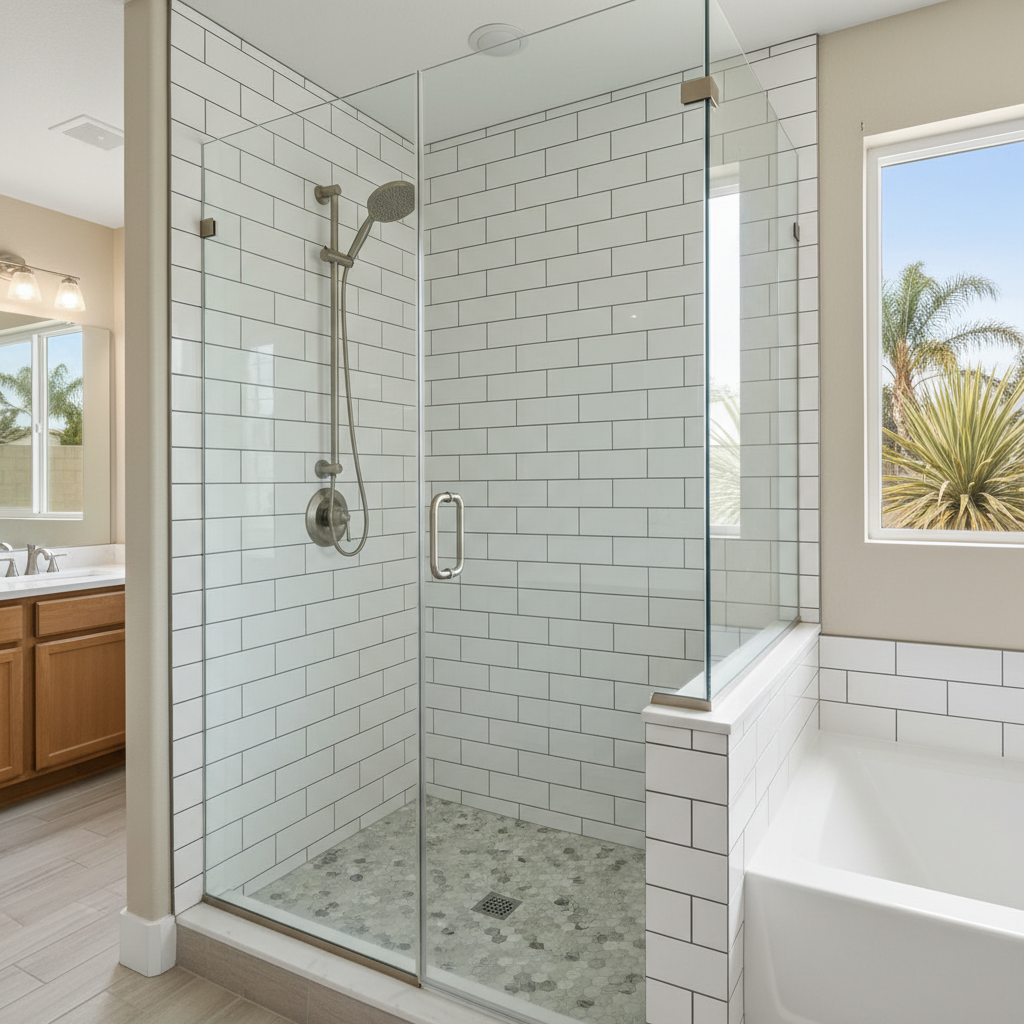
So, you've invested in a beautiful new shower for your Fountain Valley home. Maybe it's a sleek walk-in, or perhaps a luxurious tiled enclosure. Whatever you chose, you want it to last, right? Of course you do. I've seen countless showers over the years, and I can tell you, how you treat it after installation makes a huge difference in its lifespan and how good it looks.
Extending Your Shower's Life: It's Easier Than You Think
Think of your new shower like a new car. You wouldn't just drive it off the lot and never wash it, would you? Same goes for your shower. The materials we use today are tough, but they're not indestructible. The biggest enemy? Hard water and soap scum. Here in Orange County, especially with our tap water, hard water stains are a real thing. They can etch glass, dull finishes, and make grout look dingy faster than you'd believe.
The best way to fight this is prevention. After each use, take a minute to squeegee down glass doors and tiled walls. Seriously, it takes 30 seconds. Keep a small squeegee right there in the shower. This removes most of the water before it can dry and leave those mineral deposits. For the rest of the surfaces, a quick wipe with a microfiber cloth helps. It's a small habit, but it pays off big time in the long run. You won't be scrubbing nearly as much, and your shower will stay sparkling.
Regular Maintenance: Your Weekly & Monthly Checklist
Beyond the daily squeegee, you'll want a routine. Don't worry, it's not a full-time job.
- Weekly: Give the shower a quick clean with a mild, non-abrasive cleaner. For tiled showers, I recommend a pH-neutral cleaner. Avoid anything harsh like bleach or ammonia on grout, especially if it's sealed. These can break down the sealant over time. For glass, a vinegar and water solution works wonders for cutting through any lingering water spots.
- Monthly: Check your grout and caulk. This is super important, especially around the base of the shower and where the walls meet the floor. This is where water likes to sneak in. Look for any cracks, discoloration, or areas where the caulk might be pulling away. If you see anything, address it quickly.
- Every 6-12 Months: Re-seal your grout. This is often overlooked, but it's crucial for tiled showers. A good quality grout sealer creates a barrier that repels water and prevents staining. It's a simple spray-on, wipe-off job that protects your investment. If you're not sure what type of sealer to use, just ask us at Fountain Valley Custom Bathrooms, we're happy to point you in the right direction.
Warning Signs: What to Look For
You're probably thinking,