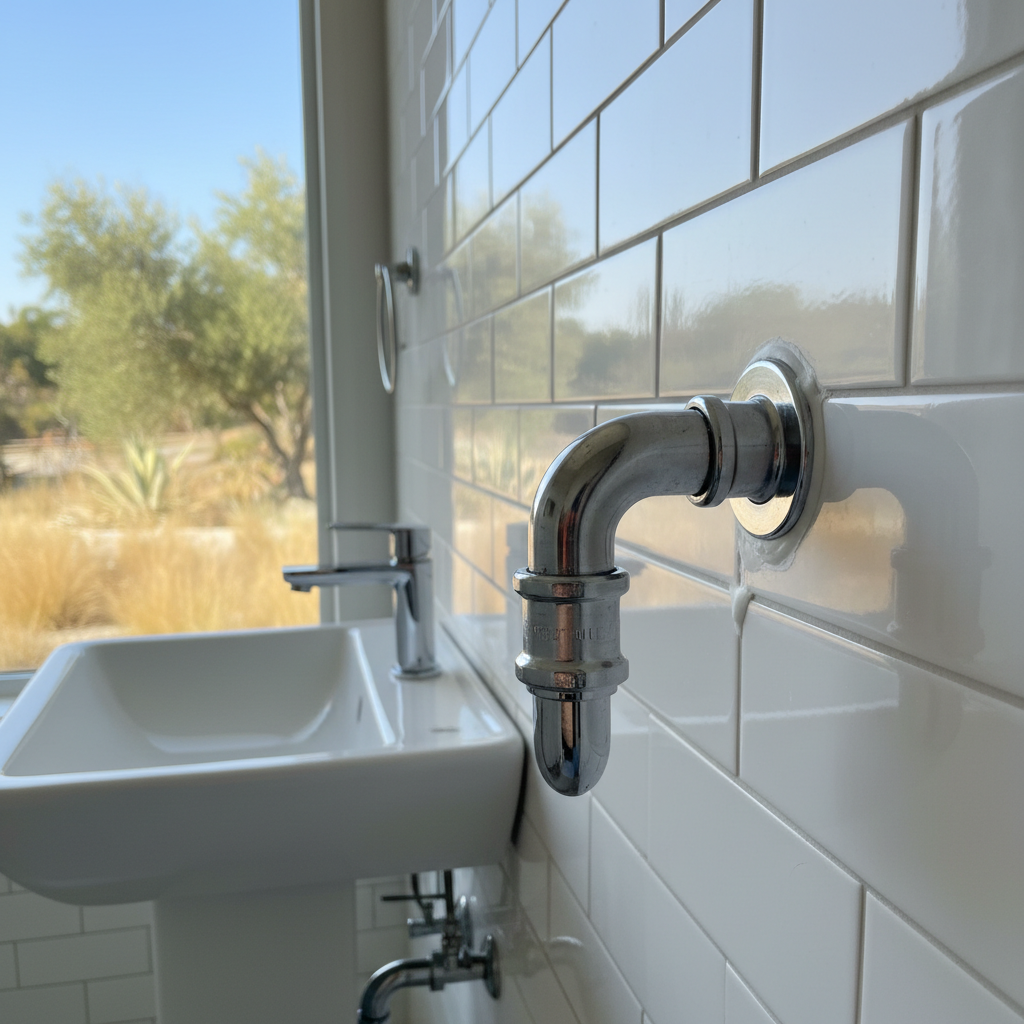
Alright, let's talk plumbing. Over the years, working on countless homes here in Fountain Valley, I've heard pretty much every question under the sun about what's going on behind your walls and under your sinks. People want to know what's normal, what's a red flag, and what they should really worry about. So, I figured it'd be helpful to put together some straight answers to the questions I get asked most often. No fluff, just the real deal from someone who's been in the trenches.
How often should I really get my water heater flushed, and why?
This is a big one, and you'd be surprised how many folks never even think about it until their hot water kicks the bucket. For most tank-style water heaters, I tell people you should aim for an annual flush. If you've got a tankless unit, it's usually every 1-2 years, depending on the manufacturer's recommendations and your water quality.
Why bother? Well, our water here in Fountain Valley, like much of Orange County, tends to be on the harder side. That means it's got minerals like calcium and magnesium. Over time, these minerals settle at the bottom of your water heater tank, forming sediment. This sediment does a few bad things: it reduces your heater's efficiency because it has to work harder to heat the water, it can lead to premature failure by corroding the tank from the inside out, and it can even create banging noises as the sediment gets superheated. Flushing it out removes that buildup, extends the life of your unit, and keeps your energy bills from creeping up.
My drain is slow, but not completely clogged. Can I just use a chemical drain cleaner?
Look, I get the appeal of those chemical drain cleaners you buy at the store. They're cheap, and they promise a quick fix. But honestly, I'd strongly advise against them, especially as a regular solution. Here's why: most of those cleaners contain harsh chemicals that generate heat to dissolve clogs. While they might clear a small blockage in the short term, they're corrosive. They can damage your pipes, especially older PVC or metal pipes, leading to leaks down the line. They're also terrible for your septic system if you have one, killing off beneficial bacteria.
If you've got a slow drain, try a plunger first. If that doesn't work, a drain snake (you can often rent or buy a small hand-crank one) is a much safer bet. If it's a persistent problem, you probably have a bigger issue, like a buildup of grease and hair, or even tree roots in your main line. That's when you call someone like us at Fountain Valley Custom Bathrooms to come take a look with a camera and clear it properly without damaging your plumbing.
What's that weird banging noise in my walls when I turn off the faucet?
Ah, the classic 'water hammer.' You're not alone, a lot of homes around here, especially some of the older tracts near Mile Square Park, experience this. It's that sudden, loud banging or thumping sound you hear right after you shut off a faucet or an appliance like a washing machine stops filling. What's happening is the sudden stop of water flow creates a shockwave in your pipes. The water, which was moving at a good clip, suddenly has nowhere to go, and its momentum causes the pipes to shake and hit against framing or other pipes.
It's not just annoying; it can actually be damaging over time, loosening pipe joints and potentially causing leaks. Usually, it's a sign that your 'air chambers' or 'water hammer arrestors' are either waterlogged or you don't have enough of them. Air chambers are supposed to cushion that shock. Sometimes, draining your entire water system can recharge them. If that doesn't work, or you don't have them, installing water hammer arrestors is the way to go. They're pretty effective at absorbing that shock and quieting things down.
My toilet keeps running. Is that a big deal, or just annoying?
It's definitely a big deal, and not just because it's annoying. A running toilet is a silent water waster. You might think it's just a little trickle, but that can add up to hundreds or even thousands of gallons of wasted water every month. That's money literally going down the drain, and it's not great for our water conservation efforts here in Southern California either.
Most of the time, a running toilet is a pretty simple fix. It's usually one of three things: a faulty flapper valve that isn't sealing properly, an improperly adjusted float that's letting the tank overfill, or a worn-out fill valve. You can often buy a universal toilet repair kit at any hardware store and tackle it yourself with a little patience. If you're not comfortable, or if the problem persists, give us a call. It's a quick fix for us, and it'll save you money on your water bill in the long run.
How can I prevent clogs in my kitchen sink drain?
Kitchen sinks are notorious for clogs, mostly because of what we put down them. The biggest culprits are grease, oil, and food particles. Here's what I always tell people:
- Scrape plates thoroughly: Before rinsing, scrape all food scraps into the trash or compost. Even small bits add up.
- NO grease or oil: This is the golden rule. Never pour cooking grease, oil, or fat down the drain. It might be liquid when hot, but it cools and solidifies in your pipes, creating sticky blockages that grab onto other debris. Pour it into an old can, let it cool, and toss it in the trash.
- Use a drain strainer: A simple, inexpensive strainer over your drain opening will catch most of the larger food particles before they can go down. Clean it out regularly.
- Run hot water: After doing dishes, let the hot water run for about 30 seconds to a minute. This helps flush down any small particles and keeps things moving.
- Occasional baking soda and vinegar: For maintenance, pour a cup of baking soda down the drain, followed by a cup of white vinegar. Let it sit for 15-30 minutes, then flush with hot water. It's not a clog remover, but it can help keep things fresh and clear.
Following these simple habits will save you a lot of headaches and plumbing calls.
Is it normal for my water pressure to fluctuate, or should I be concerned?
Occasional, minor fluctuations might not be a huge deal, especially if it's just for a second when someone else flushes a toilet or starts the washing machine. That's pretty common in older homes or if your plumbing system isn't perfectly balanced. However, if you're seeing significant, consistent drops in pressure, or if it's happening randomly without other water use in the house, then yeah, you should be concerned.
It could be a few things: a partially closed main shut-off valve, a failing pressure regulator (which many homes in Fountain Valley have to protect against high municipal water pressure), mineral buildup in your pipes (especially if you have older galvanized pipes), or even a hidden leak somewhere in your system. A sudden, dramatic drop could even point to an issue with the city's main line or a serious leak on your property. It's worth getting checked out because consistent low pressure is annoying, and a leak can cause serious damage and skyrocket your water bill.
That's a rundown of some of the most common questions I get. The main takeaway? Don't ignore those little plumbing quirks. Often, a small issue caught early is a much cheaper and easier fix than waiting until it becomes a full-blown emergency. If you're ever in doubt, or if something just doesn't seem right, don't hesitate to reach out. We're here to help keep your home's plumbing running smoothly.